
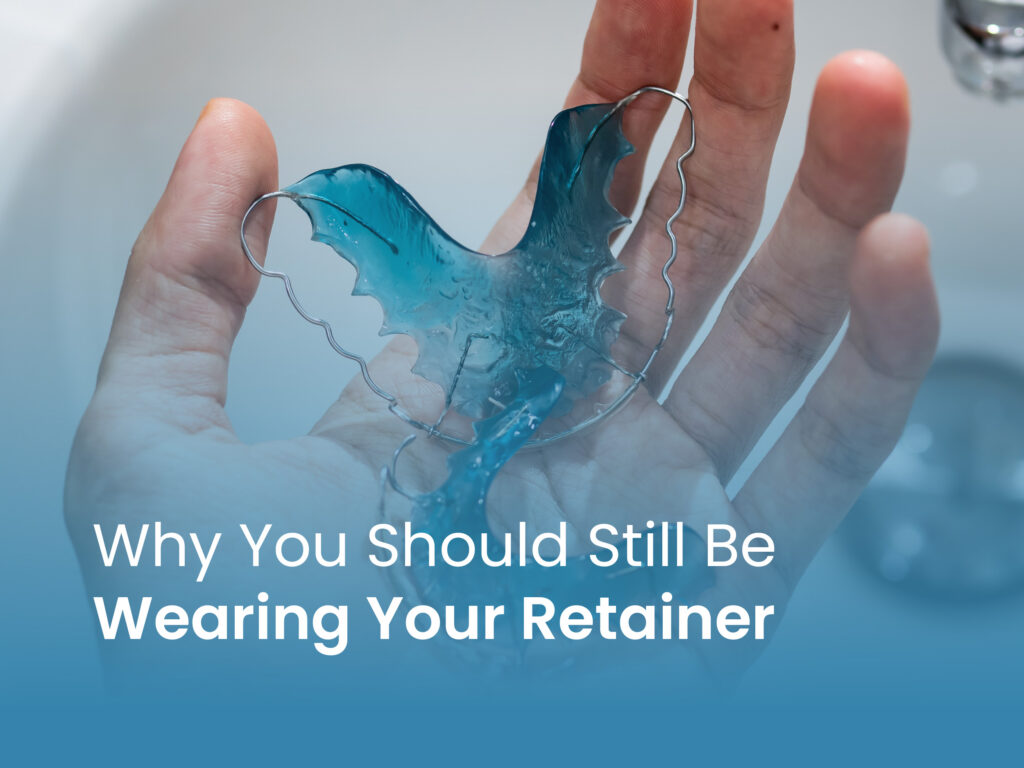
Whether you wore braces or clear aligners for your treatment, seeing your new smile for the first time is a big moment! But what you may not realize is that orthodontic treatment doesn’t truly end when the brackets come off.
Retainers are a critical part of maintaining the results you worked hard to achieve. Without them, teeth can slowly shift out of alignment, sometimes within months or even years after treatment.
At True Image Orthodontics, we often remind patients that retainers protect your investment in your smile while keeping your teeth healthy, functional, and aligned long term.
Why Teeth Shift After Orthodontic Treatment
Teeth are not fixed permanently in place. They are supported by bone and connective tissues that naturally adapt over time. During your orthodontic treatment, braces or aligners moved your teeth into new positions, but the surrounding bone and tissues still need time to stabilize.
After treatment is over, several factors can cause teeth to continue to move:
- Natural aging and changes in the jaw
- Pressure from chewing and other everyday use
- Genetics or natural tooth movement
- Not wearing your retainer as instructed
Without your retainer, teeth can slowly drift back to a previous alignment in a process known as orthodontic relapse.
Why Wearing Your Retainer During Treatment Matters
Retainers are often associated with the end of orthodontic treatment, but they can also play an important role during certain phases of treatment.
In some orthodontic plans, retainers help stabilize teeth that have already been moved while other teeth continue to shift into place. This helps maintain progress and keeps your treatment moving forward efficiently.
Skipping retainer wear during treatment can also slow progress and may extend your overall treatment timeline.
Why Retainers Are Essential After Braces or Aligners
Once orthodontic treatment is complete, wearing a retainer after braces or clear aligner treatment becomes even more important. The bone and tissue around your teeth continue to settle for months or years after treatment ends, so your orthodontist may recommend wearing your retainer full time at first and then transitioning to nighttime wear for long-term maintenance.
In general, consistently wearing your retainer prevents your teeth from moving, maintains your bite correction, preserves spacing and crowding improvements, and protects the results of your orthodontic treatment.
Many orthodontists may recommend wearing retainers at night indefinitely to keep your smile stable for life.
What Happens If You Stop Wearing Your Retainer?
It’s common for patients to gradually stop wearing their retainers after treatment, especially if their teeth appear stable. However, even small shifts can add up over time.
If you don’t wear your retainers regularly, you may notice:
- Mild crowding returning, especially in the lower front teeth
- Small gaps reopening between your teeth
- Changes in your bite alignment
- Your retainer no longer fitting properly
In some cases, shifting may require additional orthodontic treatment to be corrected. The sooner retainer wear resumes, the better the chances of preventing any more significant movement.
What To Do If You Lose or Break Your Retainer
Retainers can become lost, damaged, or worn out over time. When this happens, replacing them quickly is important to prevent unwanted tooth movement.
A few reasons to replace a retainer would be cracks or other damage to the appliance, warping or changes in fit, excessive wear over time, or your retainer no longer fitting comfortably.
At True Image Orthodontics, we can evaluate your current retainer and help you determine whether a replacement may be needed to continue protecting your smile.
Tips for Keeping Your Retainer in Good Condition
Taking care of your retainer properly can help ensure it lasts and continues to fit properly.
- Store your retainer in its case when not in use.
- Clean your retainer regularly with a gentle cleanser.
- Avoid exposing your retainer to heat or hot water.
- Bring your retainer to your orthodontic appointments for evaluation.
Frequently Asked Questions About Retainers
How long do I need to wear my retainer after braces or aligners?
You may be recommended to wear your retainer at least nightly for life after treatment. Teeth naturally move over time, and consistent wear of your retainer helps maintain your alignment.
What happens if my retainer no longer fits?
If your retainer feels tight or doesn’t fit properly, it may be a sign that your teeth have shifted. Schedule an appointment with [Ortho Practice} to evaluate your smile and determine whether a new retainer may be needed.
Can teeth shift years after braces?
Yes. Teeth continue to shift throughout adulthood due to natural aging, jaw changes, and everyday pressure from chewing. Retainers help prevent this long-term movement.
Can I get a new retainer even if I finished treatment years ago?
Yes. Even if you completed orthodontic treatment years ago, an orthodontist can evaluate your teeth and create a new retainer or stabilize your smile.
Do clear aligners work as retainers?
In some cases, the final aligner may temporarily function like a retainer, but long-term retention usually requires a dedicated appliance designed specifically to maintain your results.
Is it okay to skip wearing my retainer occasionally?
Occasional missed nights may not cause immediate shifting of teeth, but skipping retainer wear regularly can increase the risk of teeth moving out of alignment over time. Consistent use of your retainer is the best way to protect your results.
Protect Your Smile for the Long Term
Orthodontic treatment creates lasting improvements in your smile and bite, but retainers play an essential role in protecting those results long term. Wearing your retainer consistently helps ensure the time and effort you invested in treatment continues to benefit your smile for years to come.
If you’ve stopped wearing your retainer, lost it, or noticed changes in your smile, the team at True Image Orthodontics can help evaluate your teeth and recommend the right next step.